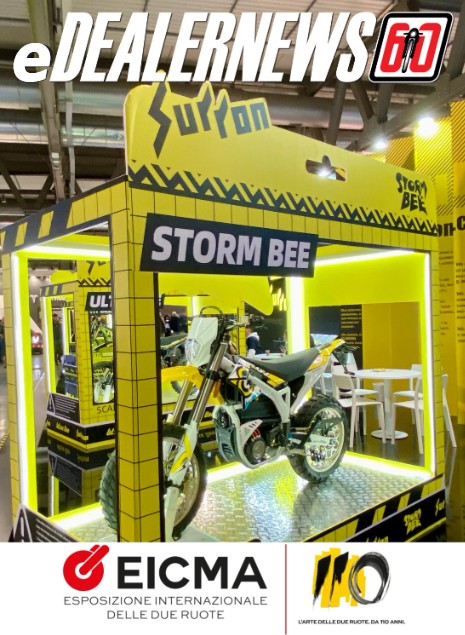
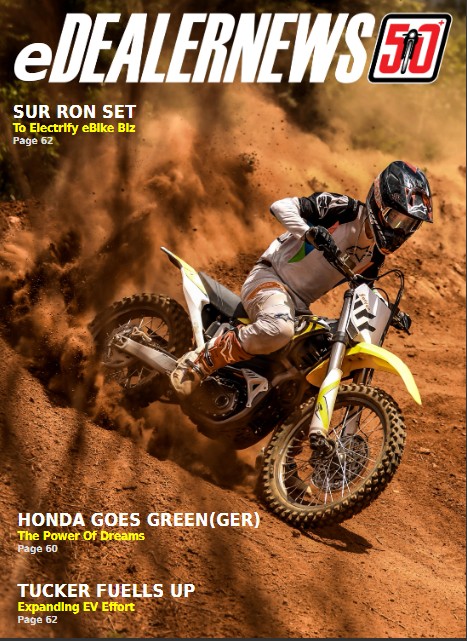
On January 16, 2026, a jury in the U.S. District Court for the Western District of Texas, Austin Division, delivered a unanimous verdict in favor of Surron in its patent infringement case against Talaria Technology (Chongqing) Co., Ltd. and Talaria Technology (Hong Kong) Co., Ltd. The jury found Talaria “liable for willful patent infringement and awarded Surron $10 million in compensation.”
This case caps a five-year pattern of infringement of Surron’s patented “Light Bee” electric off-road motorcycle. Surron presented evidence that two former employees—Wang and Ye, who controlled sales channels and had intimate knowledge of product designs—inflicted significant harm on their former employer. Joining Surron in early 2017, they were entrusted not only with competitive compensation but also with full responsibility over sales. While still at Surron, they diverted clients to third-party trading companies, each diverted deal costing the company substantially.
“As a pioneer in the electric off-road motorcycle sector, Surron sends a clear message through this victory,” stated the company. “Intellectual property protection knows no borders, copying is not a low-risk shortcut; and any attempt to profit from infringement will face severe legal and market consequences. Wang and Ye’s actions violated fundamental business ethics and shattered trust and conscience. Their conduct reflected no responsibility, no bottom line—only naked pursuit of profit.”