“The Backcountry Discovery Routes organization brings over $60 million worth of economic impact to local communities annually by making over 20,000 miles of backcountry tracks available to the riding community,” notes American Motorcyclist Association President and CEO Rob Dingman. “AMA offers a national advocacy infrastructure, government relations expertise, a network of independent clubs and promoters, and broad individual membership.”
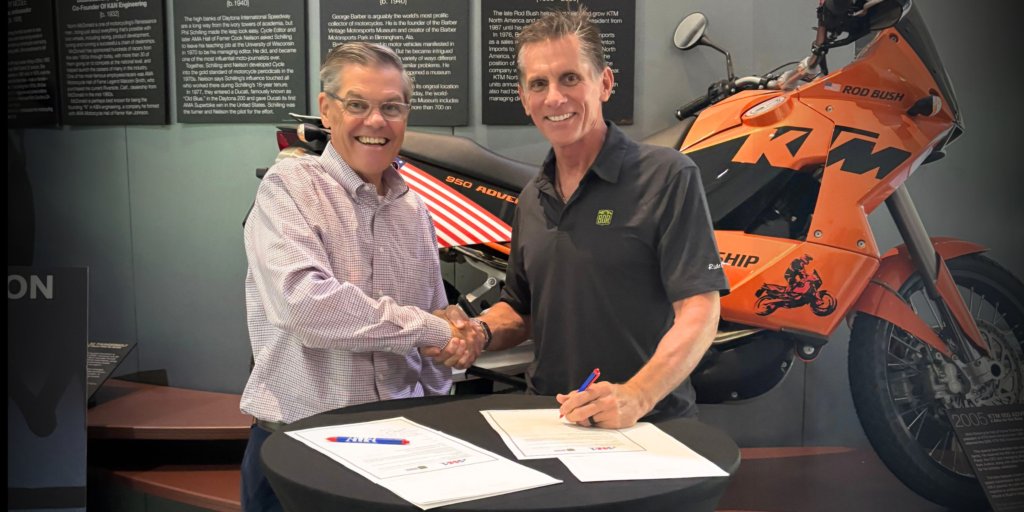
AMA and BDR have signed a memorandum of understanding to mutually expand advocacy, responsible, motorized recreation, route development, rider education and community engagement on behalf of the nation’s adventure and dual-sport motorcycling community. Moving forward AMA will support campaigns protecting and promoting BDR routes through AMA communication channels, encouraging AMA members to participate in volunteer efforts and route stewardship. BDR will support and promote AMA advocacy work, invite AMA participation in its route-release events and film tours, and actively encourage its riders to join the AMA to support motorcyclists’ rights.
BDR brings route-development experience, an engaged community of adventure riders, and a platform built on route promotion, resource-rich guides and documentary films. “The sections of our routes that riders love most are often the ones most at risk of closure,” adds Inna Thorn, Executive Director of Backcountry Discovery Routes. “We’ve spent years earning a seat at the table with the agencies and communities that manage this land, but protecting that access for the long haul takes advocacy at every level of government, and that’s where the AMA’s reach makes the difference.”
This cooperation will translate into more coordinated advocacy on land-access issues, expanded safety and responsibility education, and a stronger, more connected community of adventure and dual-sport riders — backed by the full weight of the AMA’s national advocacy network.
“We’re not just protecting today’s routes, we’re making sure they’re still here for the next generation of riders,” concludes Thom.